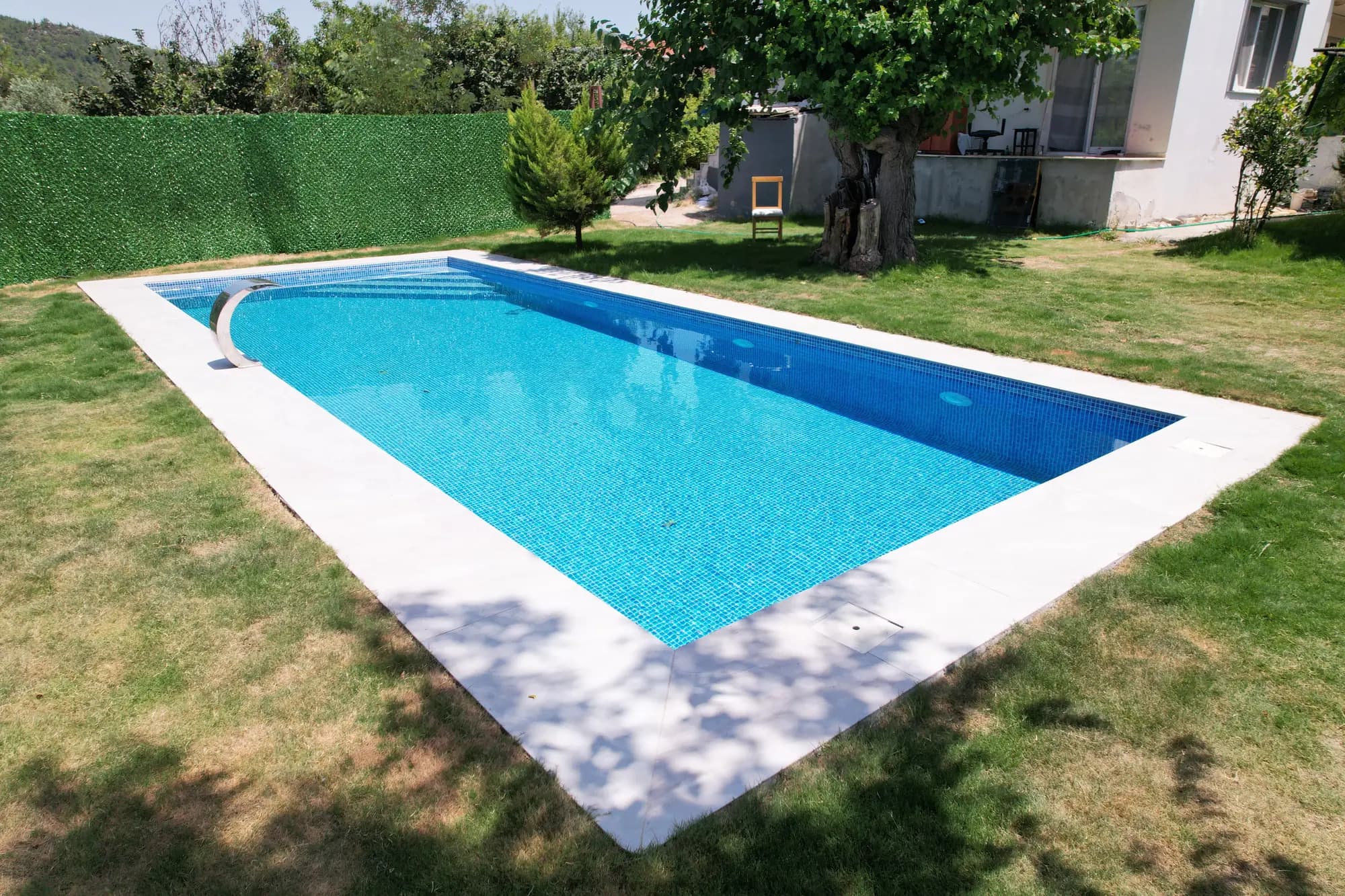
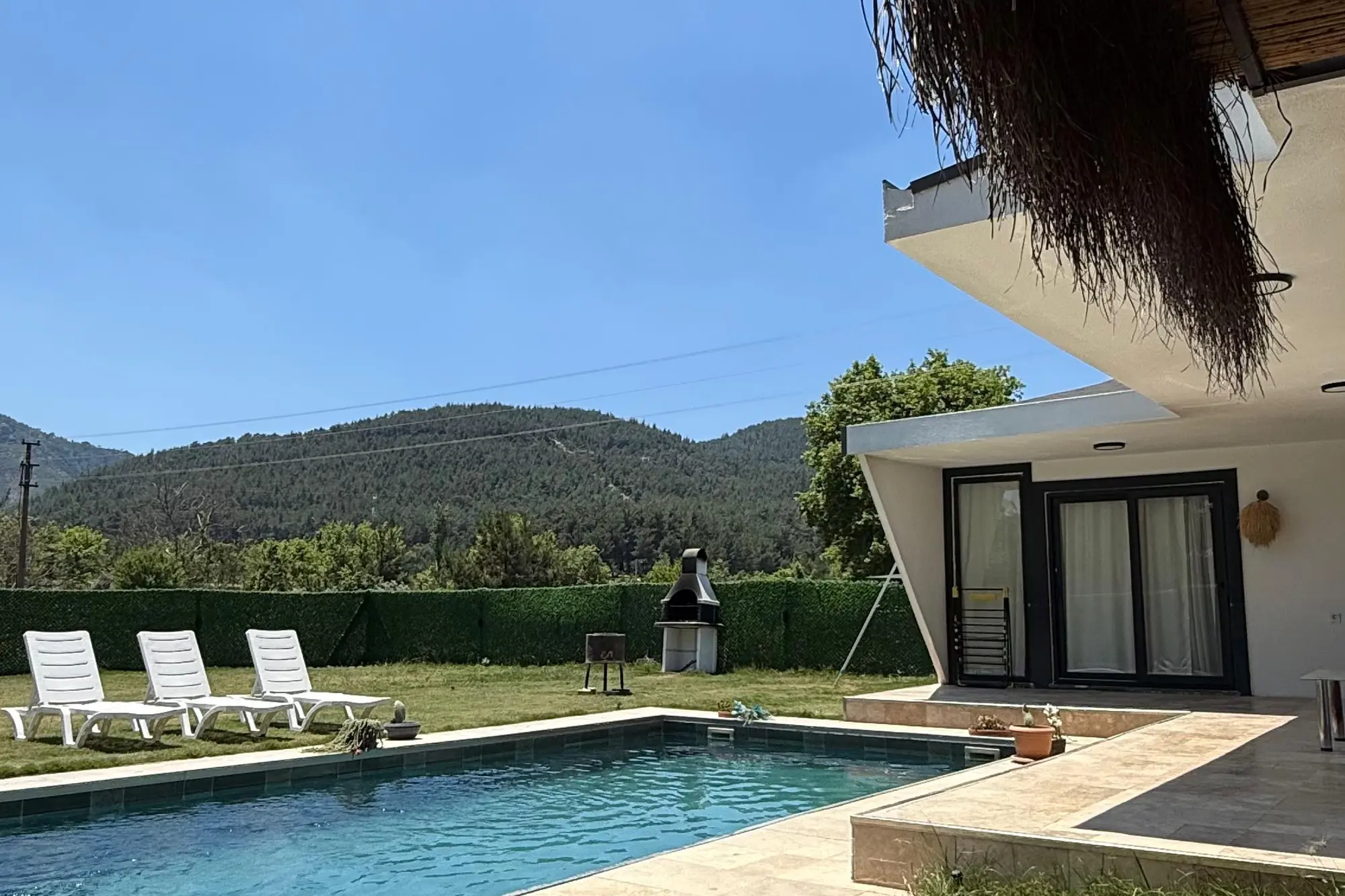
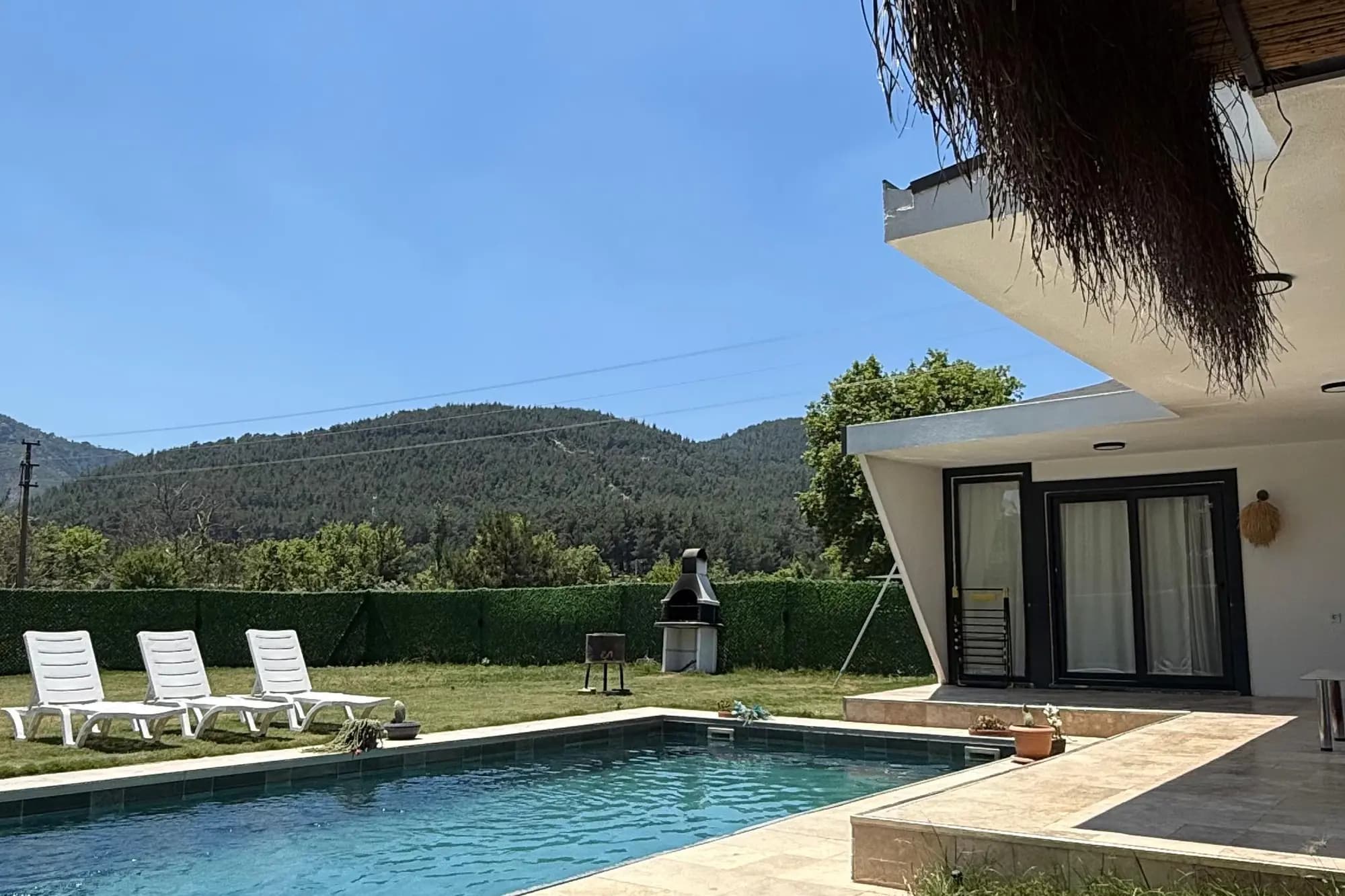
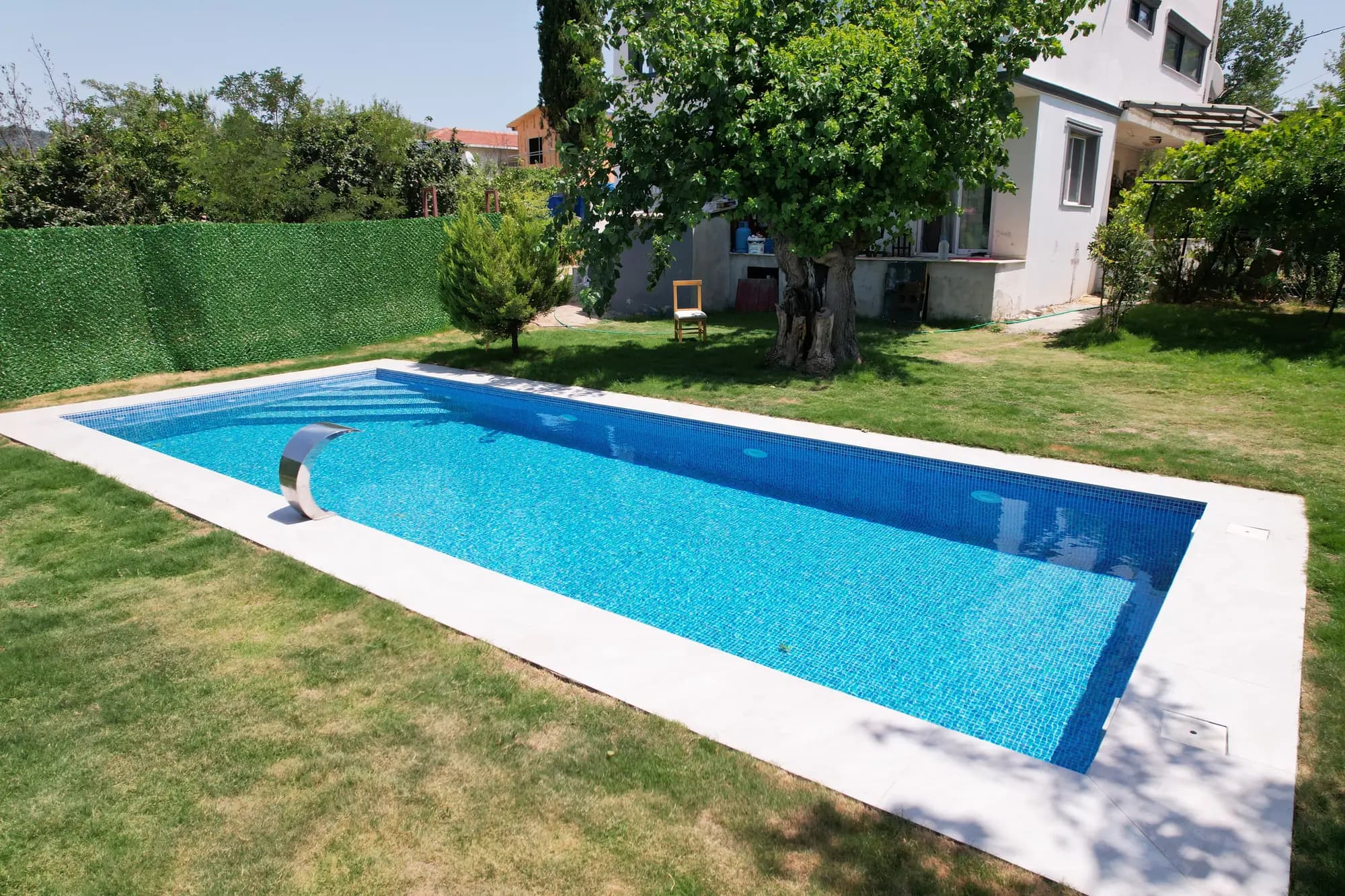
ELÜSTÜGROUP
Pool Construction

Elüstü Group · Division04 / 06

Pool Construction

Steel, concrete and natural pool design and construction.

Water craft

Our Pool unit provides integrated design, plumbing, filtration and finishing at residential and facility scale — uniting aesthetics with engineering.

Pool types

Which system suits your garden?

The decision weighs ground conditions, the shape you want, how intensively the pool will be used and the budget together. The differences below are to give you a starting picture before the survey.

01

Overflow (infinity) pool

Water spills over the edge into a perimeter channel and down to a balance tank. The surface reads flush with the coping, which looks striking and keeps the surface cleaner.

Requires a balance tank, a larger pump and filter set, and precise levelling.

02

Skimmer concrete pool

The water sits slightly below coping level and surface water is drawn through skimmer openings. The most common and most economical concrete solution for garden pools.

No balance tank needed; services and operation are simpler.

03

Prefabricated / panel pool

A shell assembled from factory-made panels. Completed faster in standard sizes and, where ground conditions allow, at lower cost than concrete.

Shape and size are limited to the standard range.

04

Bespoke & natural-look pool

Organic outlines, natural stone finishes, waterfalls and seating ledges. Children’s pools, spas and hydromassage can be integrated into the same shell.

Free-form shapes are only possible with a concrete shell.

Technical section

What lies beneath the water

The life of a pool is decided by the layers beneath the finish, not by the finish itself. The section below shows a reinforced-concrete overflow pool; in a skimmer system, edge skimmers replace channel 06.

0102030405060708

Reinforced-concrete overflow pool — schematic section (not to scale)· scroll sideways

  1. 01Excavation & ground preparationLevels, drainage and bearing capacity are checked.
  2. 02Blinding concreteGives the reinforcement a clean, level bed to sit on.
  3. 03Concrete base & wallsThe reinforced shell that resists water and ground pressure.
  4. 04Waterproofing & screedThe real barrier against leaks, beneath the finish.
  5. 05FinishCeramic, glass mosaic or membrane — the visible surface.
  6. 06Overflow channel & gratingIn a skimmer system, edge skimmers take its place.
  7. 07Inlets, main drain & lightingPipes and conduits are set during the concrete stage.
  8. 08Balance tank & service runCollects overflow water and feeds the plant room.

Pool shell and plant room under construction
From our own site: the shell and plant room before the finish goes on.

The water loop

Clear water is not luck — it is a closed loop

The system is sized to pass the entire pool volume through the filter within a set period. An undersized system cannot keep the water clear; an oversized one simply wastes electricity.

  1. 01

    Pool

    Used water is drawn from the surface and the floor.

  2. 02

    Overflow channel / skimmer

    Leaves, dust and the surface film are caught here.

  3. 03

    Balance tank

    Absorbs level changes (in overflow systems).

  4. 04

    Pump & strainer

    Drives circulation; coarse debris stays in the basket.

  5. 05

    Sand or glass media filter

    Traps suspended particles; cleaned by backwashing.

  6. 06

    Automatic dosing (pH · disinfection)

    Measures and holds the water balance steady.

  7. 07

    Heating (optional)

    Heat pump or exchanger; extends the season.

  8. 08

    Return inlets

    Distribute clean water evenly — no dead zones.

After 08 the water returns to the pool — the loop closes.

Infinity & concrete pools
01

Infinity & concrete pools

We unite aesthetics and engineering in infinity-edge and reinforced-concrete pools.

Filtration & water systems
02

Filtration & water systems

Quiet, efficient filtration and plumbing for clear water and low running cost.

Maintenance & renovation
03

Maintenance & renovation

Maintenance, renovation and season-prep services for existing pools.

After dark

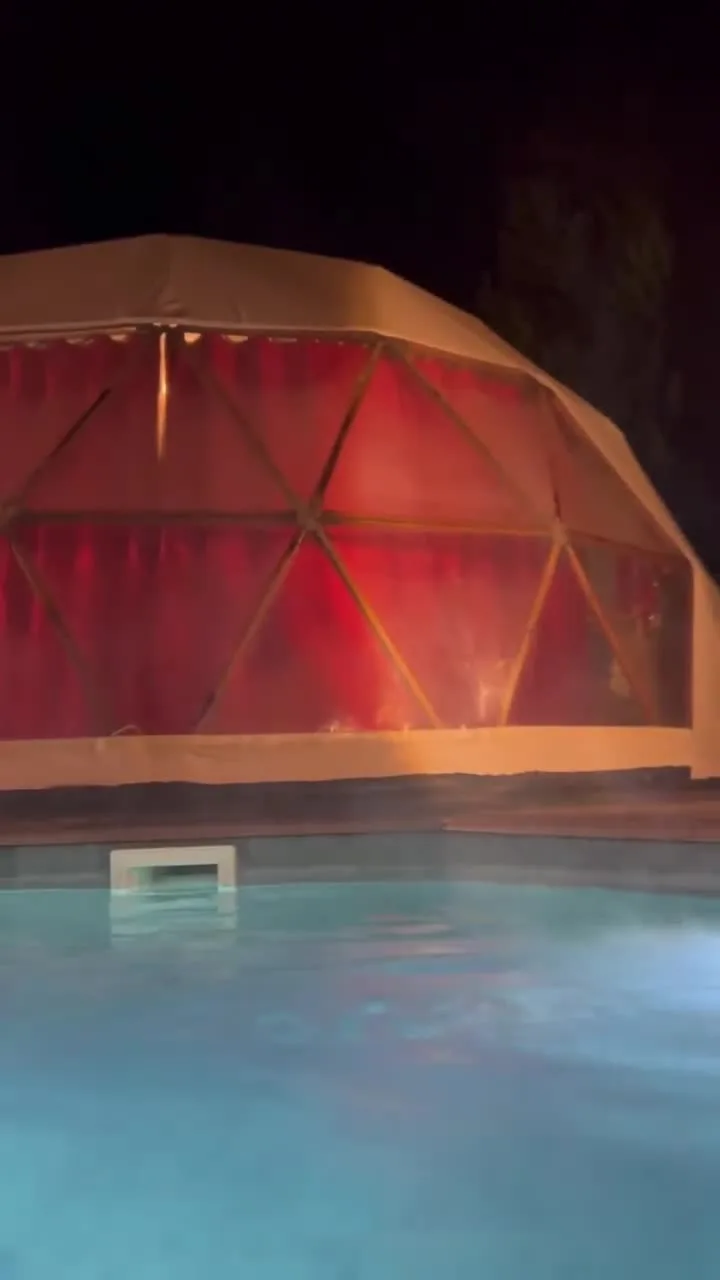
A pool lives on after sunset.

Underwater lighting, perimeter lighting and quiet filtration are designed in from the start. Conduits are laid during the concrete stage, so nothing has to be broken open later.

Build process

From design to first dive

01

Survey & concept

Location, size, levels and how the pool will be used.

02

Excavation & ground

Excavation, drainage and blinding; groundwater is dealt with here.

03

Concrete shell

Rebar, formwork and pouring, with pipe and cable runs cast in.

04

Waterproofing

Waterproofing is applied and a water-holding test is run.

05

Plant room

Pump, filter, dosing and controls are installed and balanced.

06

Finish & commissioning

Finish, coping, lighting; filling, start-up and handover.

Care & operation

Handover is not the end

Running cost comes down to electricity, water loss, chemicals and labour. A correctly sized pump, automatic dosing and a pool cover reduce all of them noticeably.

Weekly

Surface and floor cleaning, emptying baskets, checking pH and disinfectant, watching filter pressure.

Season opening

Removing the cover, backwashing the system, topping up the level and re-establishing the water balance.

Winter care

The pool is not fully drained — an empty shell can be damaged by groundwater. The level is lowered, pipework drained and a cover fitted.

Renovation

Leak detection, renewing waterproofing and finishes, modernising the pump, filter and controls.

Frequently asked

What people ask before building a pool

The answers below describe general practice; the definitive solution, schedule and price for your pool are confirmed in writing after an on-site survey.

Should I choose a concrete pool or a prefabricated (panel) pool?

A reinforced-concrete pool is the long-life permanent solution, with complete freedom of size and shape; overflow (infinity) details and bespoke forms are built this way. A panel or prefabricated pool is installed faster in standard sizes and can cost less where ground conditions allow. The right choice depends on the ground, the shape you want, how intensively the pool will be used and the budget — settled at survey stage.

What is the difference between an overflow (infinity) pool and a skimmer pool?

In a skimmer pool the water sits slightly below coping level and surface water is drawn through skimmer openings at the edge. In an overflow pool the water spills over the edge into a perimeter channel and down to a balance tank, from which it is pumped to the filter. The overflow system looks striking because the surface is flush with the edge, and surface cleaning is better; in return it needs a balance tank, a larger pump and filter set, and far more precise levelling.

What are the stages of building a pool?

In order: site survey and concept design, excavation and ground preparation, blinding concrete, reinforcement with concrete walls and base, waterproofing, plumbing and plant room, screed and finish (ceramic, glass mosaic or membrane), then commissioning. Pipework, lighting conduits and inlet positions are set during the concrete stage, so nothing has to be broken open later.

How is the filtration system sized?

The determining factors are water volume and turnover time: the system is sized to pass the entire pool volume through the filter within a set period. From that we calculate pump flow, sand (or glass media) filter diameter, pipe diameters and the number of inlets. An undersized system cannot keep the water clear; an oversized one simply wastes electricity.

What drives the running cost of a pool?

Electricity (pump running hours), water loss, chemicals and maintenance labour are the main items. A correctly sized pump, sound hydraulic design, automatic dosing and a pool cover reduce these noticeably; a cover also cuts evaporation and heat loss. The actual figure depends on volume and how intensively the pool is used.

Can you renovate my existing pool?

Yes. Leak detection, renewing waterproofing, replacing finishes, modernising the pump, filter and automation, and adding overflow channels or lighting are all part of our work. We first inspect the pool and its services and report which items genuinely need replacing.

Is winter maintenance necessary?

It is. A pool is not drained completely for winter — an empty shell can be damaged by groundwater pressure. The level is lowered, the pipework is drained to protect it from freezing, the chemical balance is set and a cover is fitted. At the start of the season the system is backwashed and the water balance re-established.

Do you also handle the surroundings of the pool?

We do. Coping and paving, terrace, shower and changing areas, lighting and landscaping can run within the same project; together with the group’s steel and concrete units, pergolas, gazebos and retaining works are handled in-house. That avoids two separate teams working to two separate schedules.

Pool Quote

Let us design your dream pool together

Pick a pool type and approximate size; we will reach out for design and pricing.

Pool Request

Pool type
Pool Construction · Elüstü Group